
What Actually Changes in a One-Day Garage Transformation
Most garages really are finished in a day. Here is what that day actually looks like, what does not fit into it, and the part of the result that a before-and-after photo can never show you.
Why one day is realistic — and when it is not
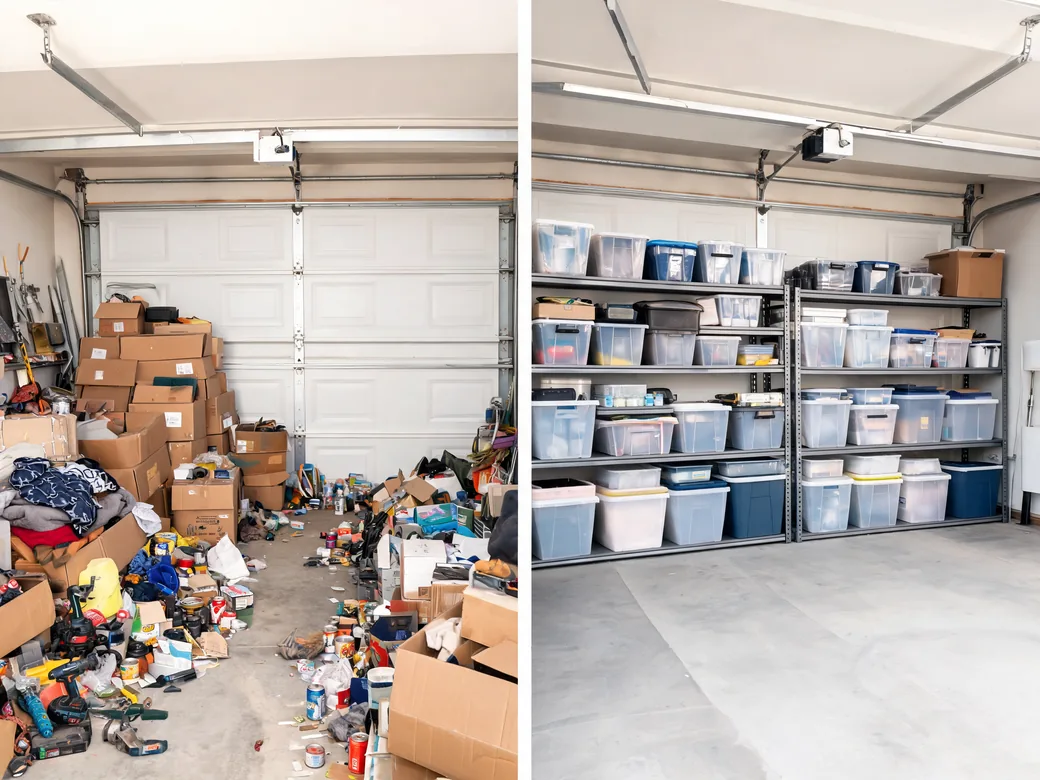
A single day sounds like marketing. It is not: most single-garage projects genuinely finish inside one. The reason is that the slow part of organizing a garage is not the physical work, it is the deciding — and when someone else runs the process, brings the labor and takes the discards away the same day, the deciding compresses enormously.
What does not fit into a day: extensive overhead installation across a large garage, a full Alpha Transformation with wall and ceiling systems throughout, or a garage that turns out to hold far more than the estimate assumed. Those run into a second day — and we say so at the estimate rather than at four in the afternoon.
Garage size is what usually decides it. Two- and three-car garages are standard in newer communities like Nocatee, and the detached garages and workshops on the larger lots around Middleburg are larger again — both are more likely to need a second day than a single-car garage in an older neighbourhood.
How the day actually runs
Everything comes out first. This looks alarming and it is the correct order. You cannot zone a room you cannot see the walls of, and sorting things while they are still stacked three deep guarantees decisions get deferred.
Then the sort. Keep, donate, discard, in that order, working by category rather than by pile. This is the part you need to be available for — not the whole day, but this hour. Most people stay for it and then get on with something else.
Then the discards leave. A carload of donations is dropped off as part of every package, so it goes that day rather than sitting in the driveway waiting for a trip that never happens. That single detail is the difference between a cleanout that finishes and one that stalls.
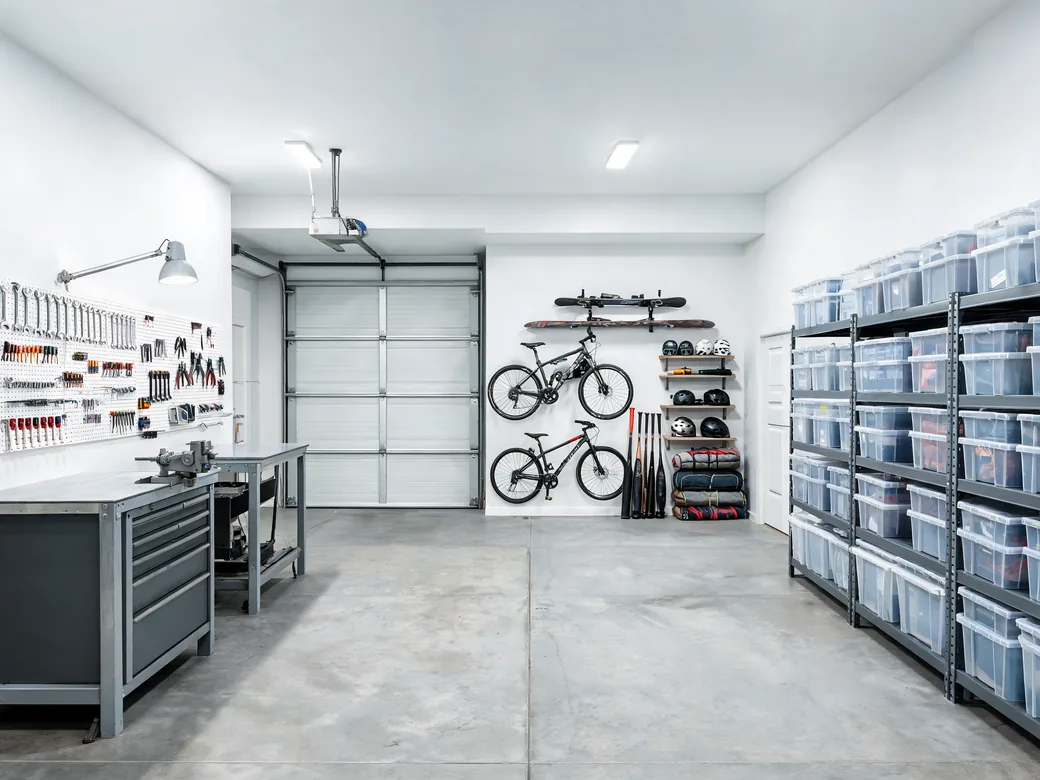
Then the zones go in. Everything that stayed goes back deliberately — frequently used items at reach height, seasonal storage high, tools on the driest wall. Where the package includes it, shelving, hooks and racks are installed at this point, and bins get labeled by category.
Then the photos. Before-and-after photos on every project, which is partly for you and partly because it is the only honest record of what changed.
What the after photo does not show
A cleared floor photographs well and is the least interesting part of the result. Three things matter more and none of them are visible in an image.
The first is that the decisions are made. The reason a garage fills up is rarely space — it is a backlog of deferred judgments about objects. Once those are resolved, the room stops accumulating in the same way.
The second is that the discards are gone, physically, not staged in a corner for later. A photo cannot distinguish between the two, and the difference is everything.
The third is the zoning. Two garages can look equally clear in a photo where one will hold and the other will not, and the difference is whether a person who did not do the organizing can put something away correctly without being told.
What makes it hold
The projects that stay organized a year later have three things in common. Everything has one obvious home. Frequently used items are at reach height, so putting things back is not a chore. And bins are labeled by category rather than by contents, so the labels stay true as the contents change.
The projects that drift usually skipped the middle one. If the thing you use twice a week is behind the thing you use twice a year, the system will lose — not immediately, but reliably.
If you want the reasoning behind those choices in more detail, how to zone a Florida garage covers the layout logic, including the humidity constraints that decide which wall should hold the tools. We run these days across St. Johns, Duval, Clay and Flagler Counties — Jacksonville and St. Augustine among them.
A one-day result usually means one of these two. Both start with a free on-site estimate and a fixed price.

Fishing, kayak and paddleboard gear zoned and stored off the floor.
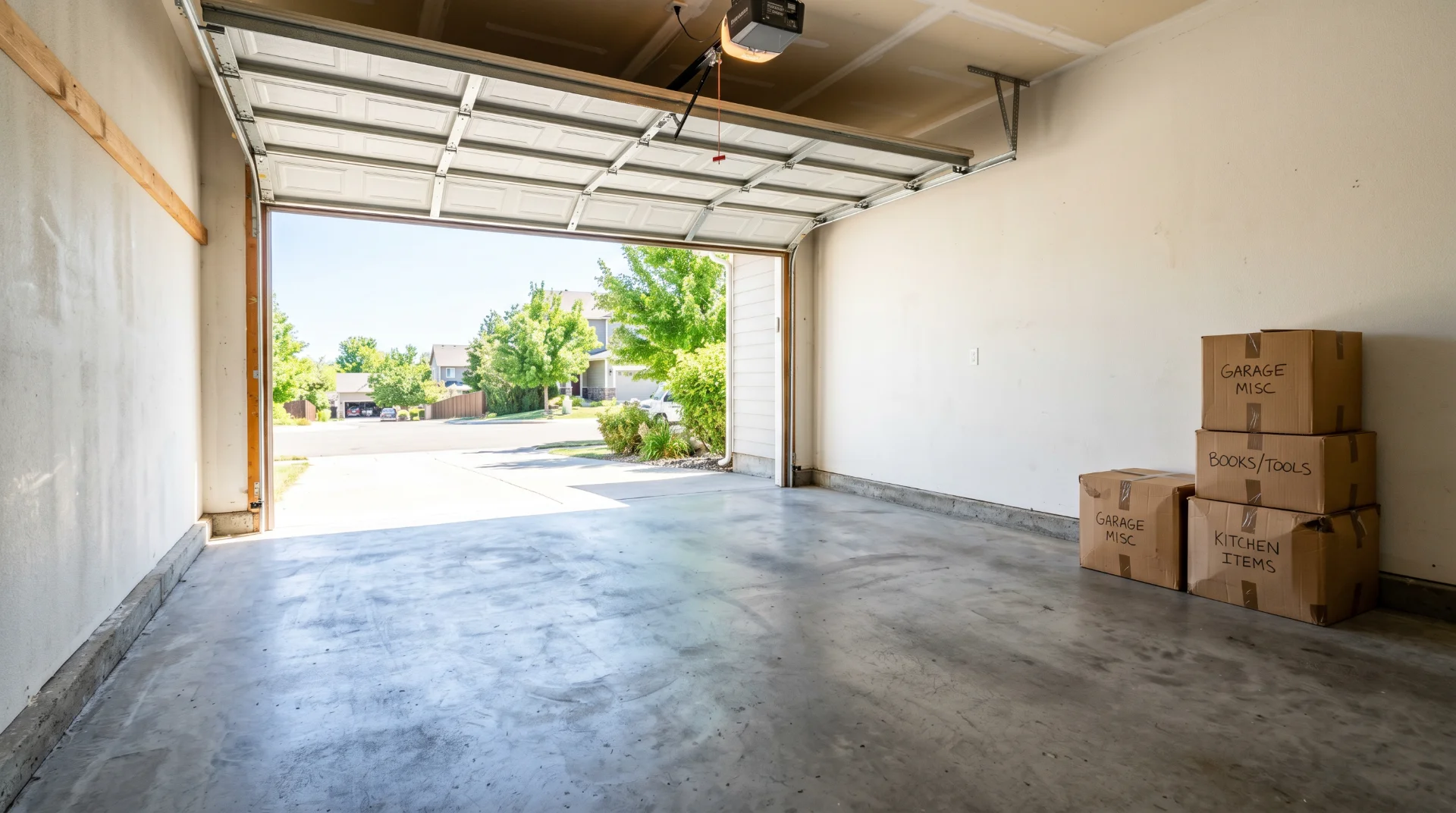
A fast, judgment-free reset for a lightly cluttered garage.
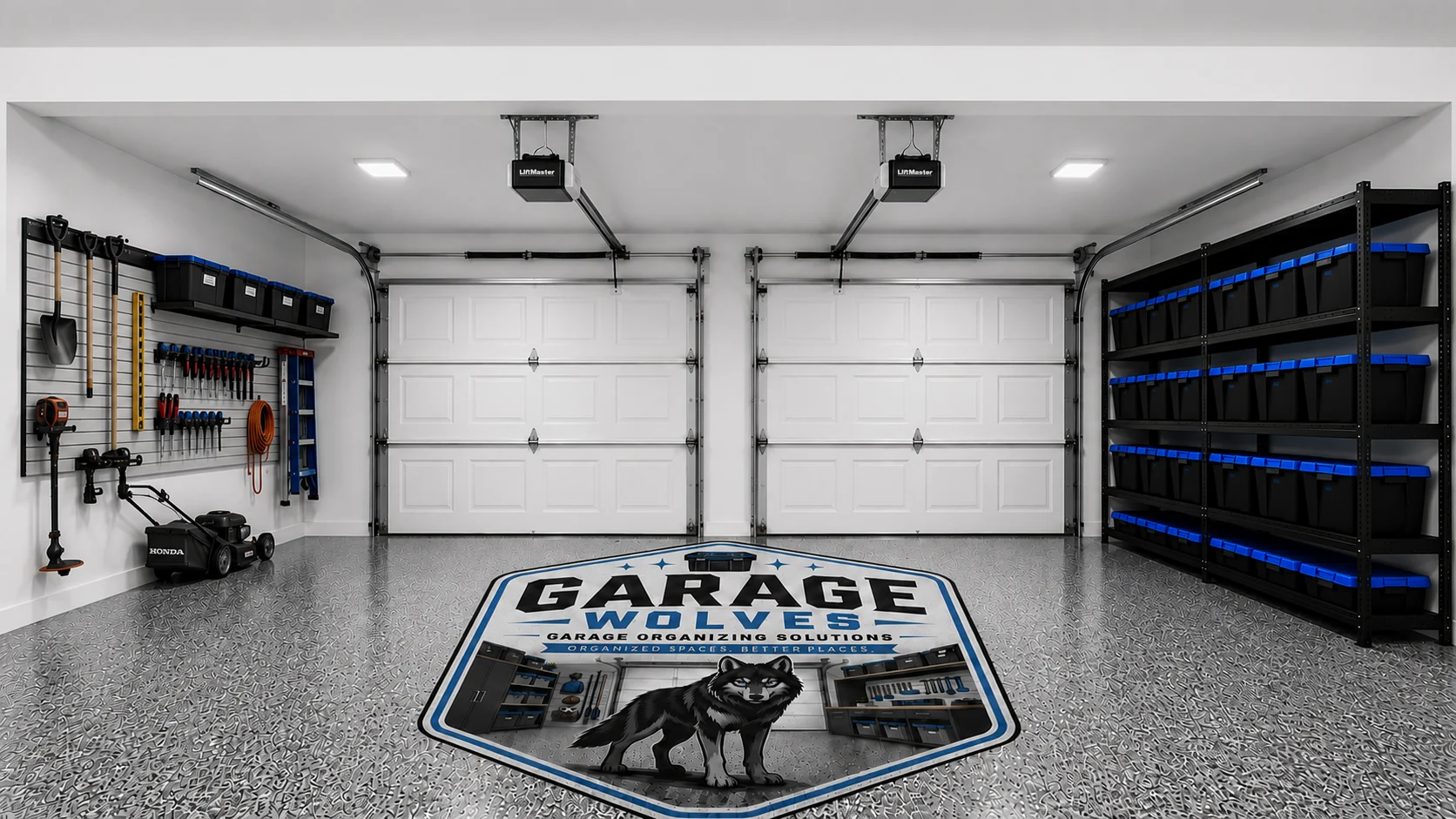
Full zoning, layout and labeling for busy family garages.
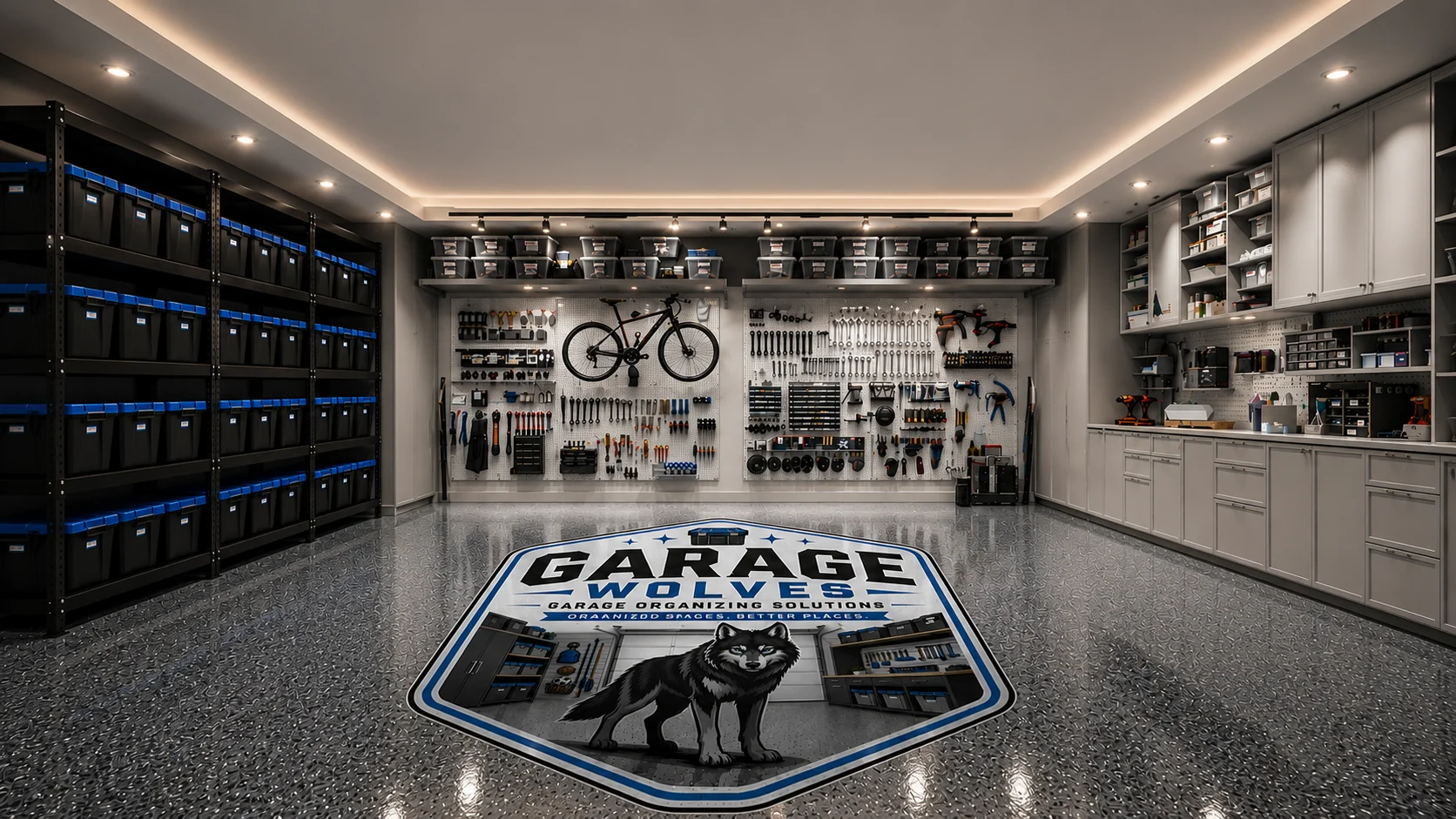
Complete overhaul — custom layout, wall and ceiling racks, premium bins.
How to Zone a Florida Garage
Five zones most Northeast Florida garages need — and why heat and humidity should decide which wall gets what.
Read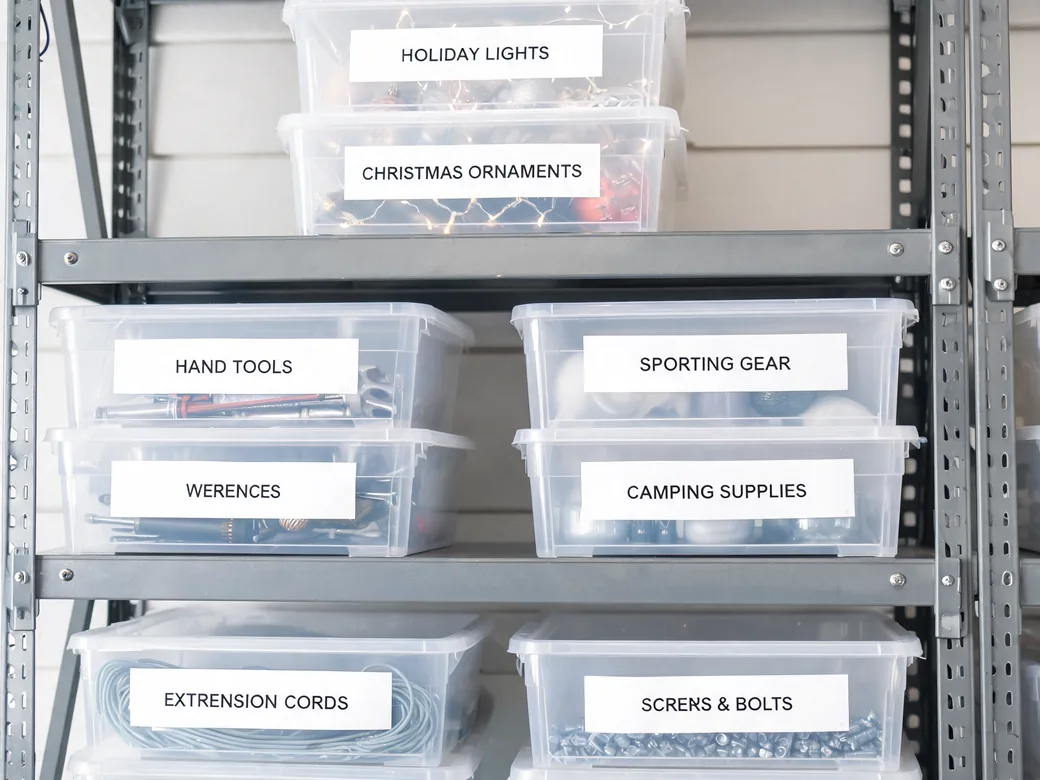
Why Labels Peel in Florida Garages — and How to Label Bins So They Don’t
Adhesive fails fast in a hot, humid garage. What actually holds up — and how to label bins so the system survives the labels.
ReadWant it done for you?
Free on-site estimate anywhere in St. Johns, Duval, Clay and Flagler Counties, with a fixed scope and price before any work starts.