
The PCS Garage Cleanout Checklist
A PCS move gives you a date, not a weekend. Here is the order to clear a garage in, and the short list of items that will hold up a housing inspection if you leave them until the last day.

Start with what cannot ship
The single most useful thing you can do early is separate the items that are not going on the truck at all, because those are the ones that need a destination and a trip. Your carrier will not take hazardous material, and in most cases will not take open containers of anything.
In a Northeast Florida garage that list is longer than people expect: paint and stain, solvents, thinner, fuel and fuel-stabilizer, propane cylinders, pool chemicals, lawn chemicals, pesticide, charcoal lighter, aerosols, car batteries and lithium tool batteries, and anything corroded enough that you cannot read the label. Clay, Duval and St. Johns Counties all run household hazardous waste drop-off; that is where these go, and it is worth checking the hours before you need them rather than the morning you are due out.
Do this first because it is the part that cannot be compressed. Everything else can be handled in a single day if it has to be. A propane tank discovered on the last afternoon cannot.
Then sort by weight, not by sentiment
Most moving weight allowances are spent badly in the garage. It is where the heaviest, least valuable objects live: half-used bags of soil and mulch, concrete blocks, scrap lumber, a second-hand weight set, bins of hardware nobody has opened since the last move.
The useful question in a garage is not “do I want this?” but “is this worth its weight to move across the country?” Bags of soil are not. Neither is lumber you can rebuy for less than it costs to ship. A good pass over the garage on that basis routinely frees a meaningful share of an allowance for things that actually matter.
Sentimental items are the exception and should be pulled out early and kept out of the sorting pile entirely, so they never end up in a donate stack by accident when the day gets rushed.
What base housing tends to flag
Inspection standards vary by installation and by housing office, so treat this as a prompt to check your own rather than a rule. That said, the things we see hold up a garage walkthrough are consistent:
- Oil and fluid stains on the slab — the most common one, and the one that takes longest to deal with because degreaser needs dwell time and sometimes a second pass.
- Anchors and mounting holes — shelving, hooks, bike racks and overhead racks usually have to come down, and the holes patched. Worth knowing before you install anything mid-tour.
- Hazardous material left behind — including a nearly empty paint can, which still counts.
- Cobwebs, wasp nests and pest evidence — in Florida these accumulate fast in a garage corner and read as neglect even when nothing else is wrong.
- Anything left in the attic access or overhead — easy to forget precisely because it is out of sight.
None of these are difficult individually. They are just easy to discover too late, which is the actual problem.
A workable order of operations
If you have a few weeks, this sequence keeps the garage usable throughout rather than turning it into an obstacle course for a month:
- Four weeks out — pull the hazardous material into one clearly marked corner and book the drop-off run.
- Three weeks out — the weight pass. Soil, mulch, lumber, scrap metal, broken equipment. Anything going to donation gets loaded and gone rather than restacked.
- Two weeks out — take down installed storage, patch and touch up. Doing this before the garage is empty is easier than it sounds, and it means the slab work is not competing with it later.
- One week out — degrease the slab, sweep, clear cobwebs and overhead. Deal with anything the first degreaser pass did not lift.
- Final days — keep only what is going on the truck, staged where the movers can reach it.
Deployments run differently. The goal there is usually not an empty garage but a garage that the people staying behind can actually use on their own — which means the mower, the tools and the everyday gear need to be reachable and obvious, not stacked behind whatever was moved to make room.
If the date is closer than the plan
Short notice is normal, and a garage that has been accumulating for a three-year tour does not need weeks — it needs a day with enough hands and a truck. That is what The Deployment Pack is: a rapid garage, hallway and entryway cleanout timed to a move-out date, with sorting, donation drop-off and haul-away included, finished broom-clean for the walkthrough.
We serve the areas closest to both installations — Lakeside, Ridgewood and Doctors Inlet near NAS Jacksonville, and Jacksonville Beach and Atlantic Beach out toward Mayport — along with the rest of St. Johns, Duval and Clay Counties. The active military and veteran discount applies to any package, and it is applied at the quote rather than on request.
If the timeline is tight, these are the two that fit a move. Both start with a free on-site estimate.

Fishing, kayak and paddleboard gear zoned and stored off the floor.
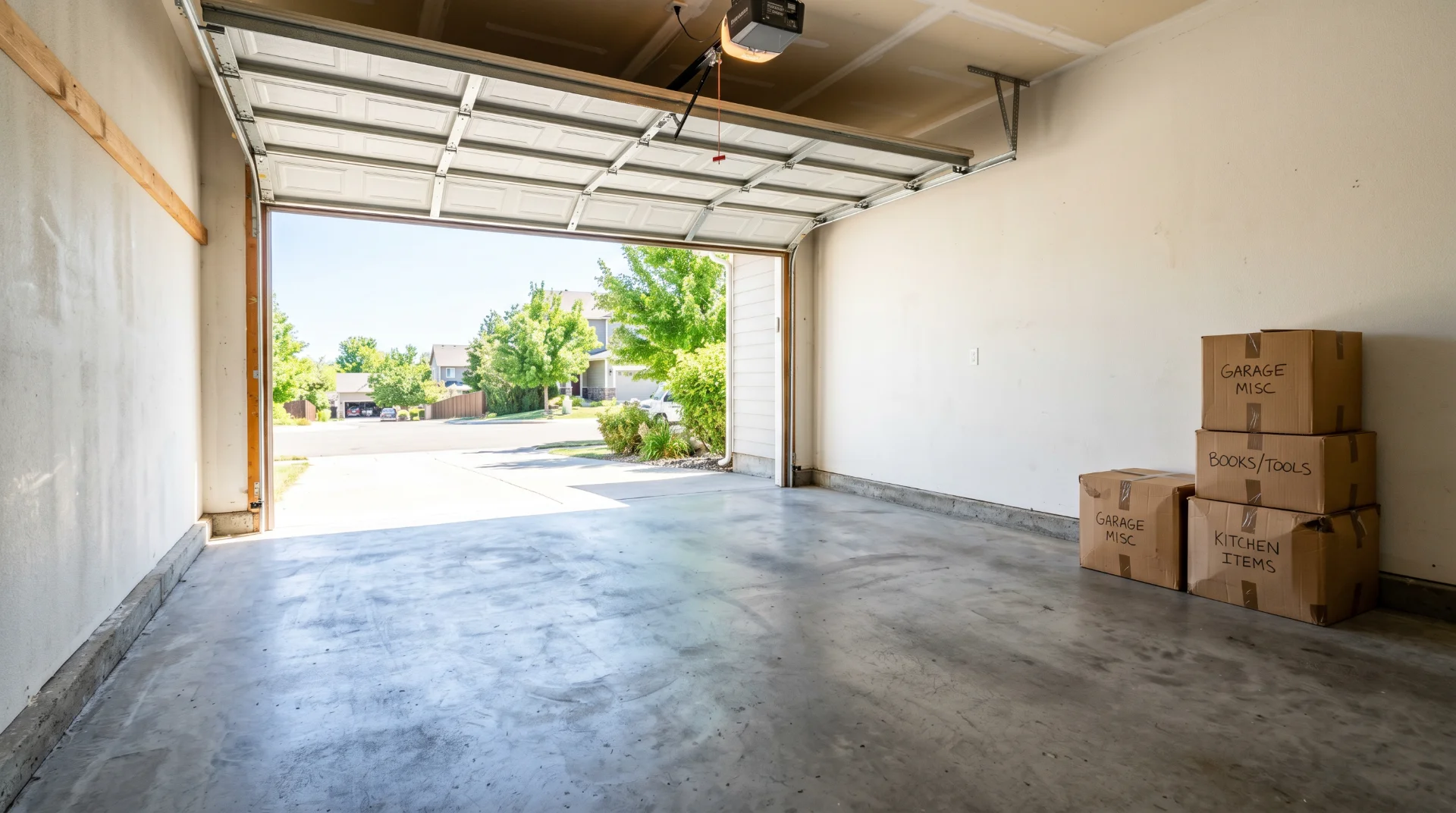
A fast, judgment-free reset for a lightly cluttered garage.
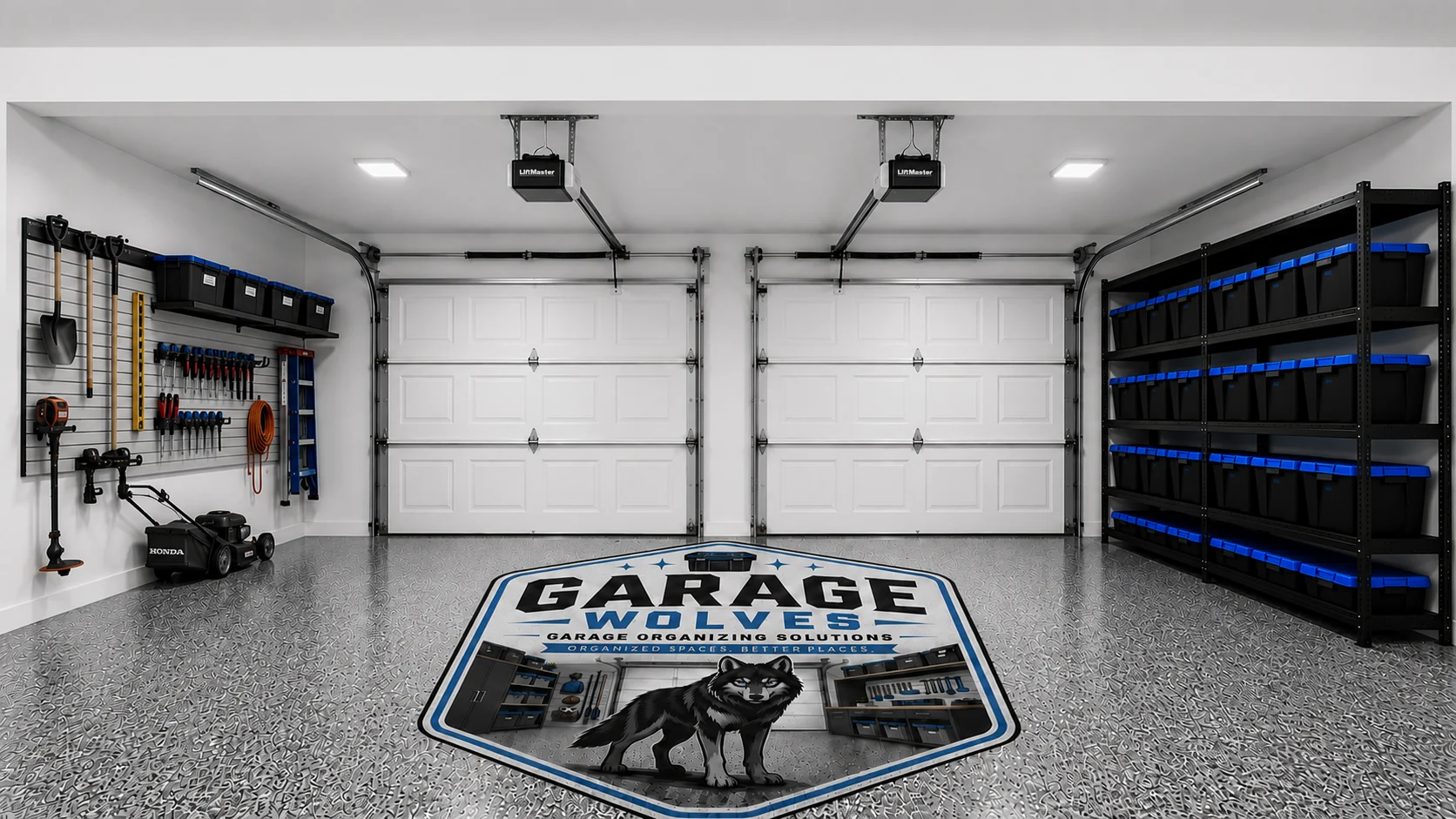
Full zoning, layout and labeling for busy family garages.
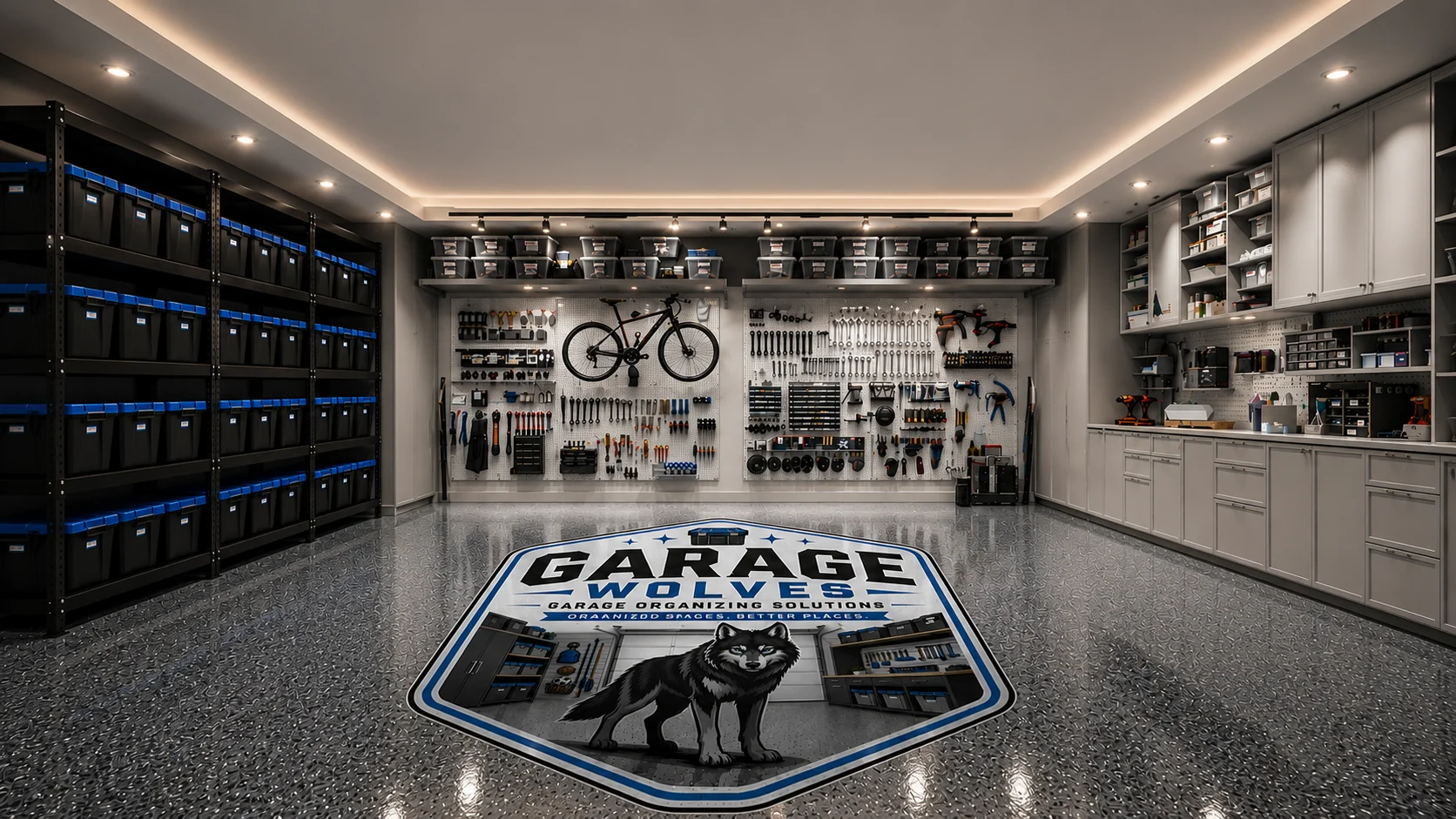
Complete overhaul — custom layout, wall and ceiling racks, premium bins.
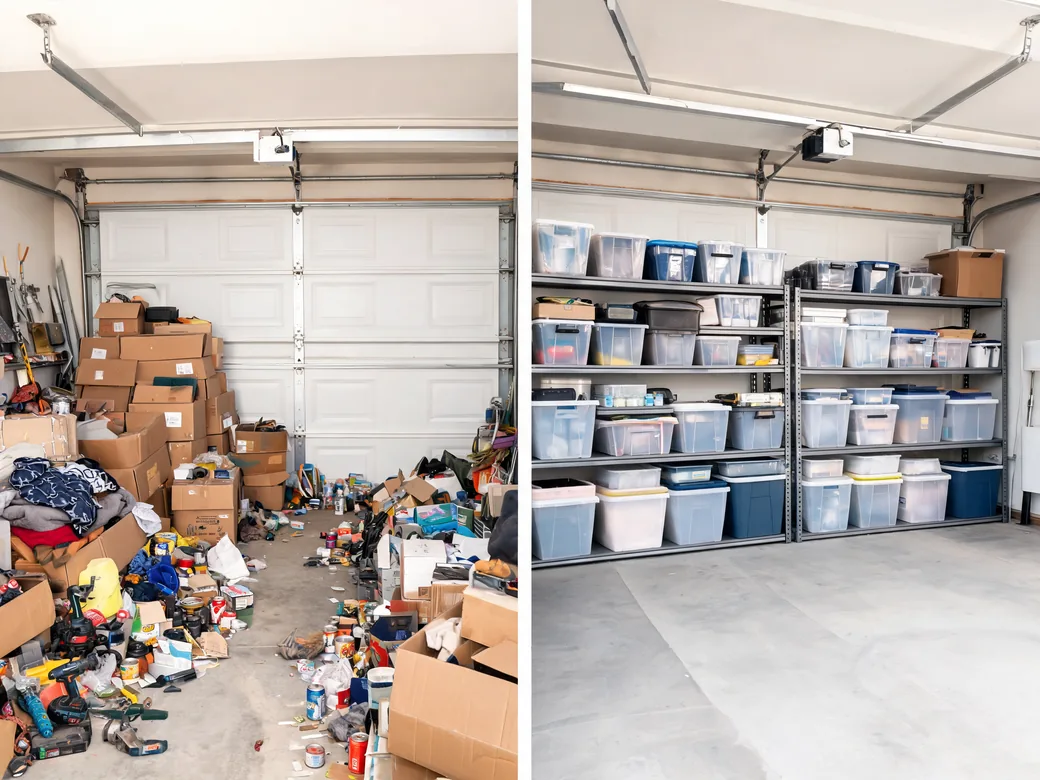
What Actually Changes in a One-Day Garage Transformation
An honest hour-by-hour account of what fits into a single day — and what before-and-after photos never show.
Read
Why Labels Peel in Florida Garages — and How to Label Bins So They Don’t
Adhesive fails fast in a hot, humid garage. What actually holds up — and how to label bins so the system survives the labels.
ReadGive us your move-out date
Free on-site estimate anywhere in St. Johns, Duval, Clay and Flagler Counties, with a fixed scope and price before any work starts.